Rustic Retreat
Hot Projects
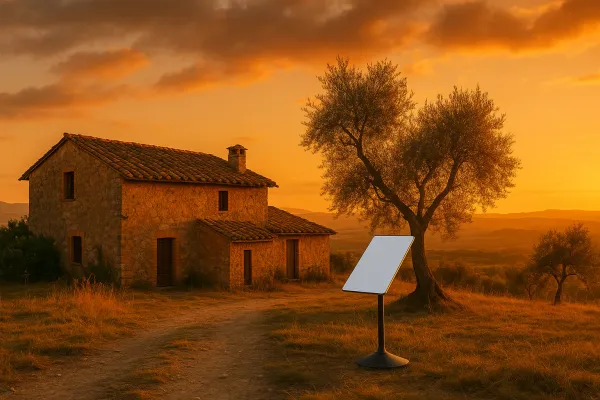
Live broadcasts and documentation from a remote tech outpost in rustic Portugal. Sharing off-grid life, the necessary research & development and the pursuit of life, without centralized infrastructure.
Subscribe to our new main project Rustic Retreat on the projects own website.
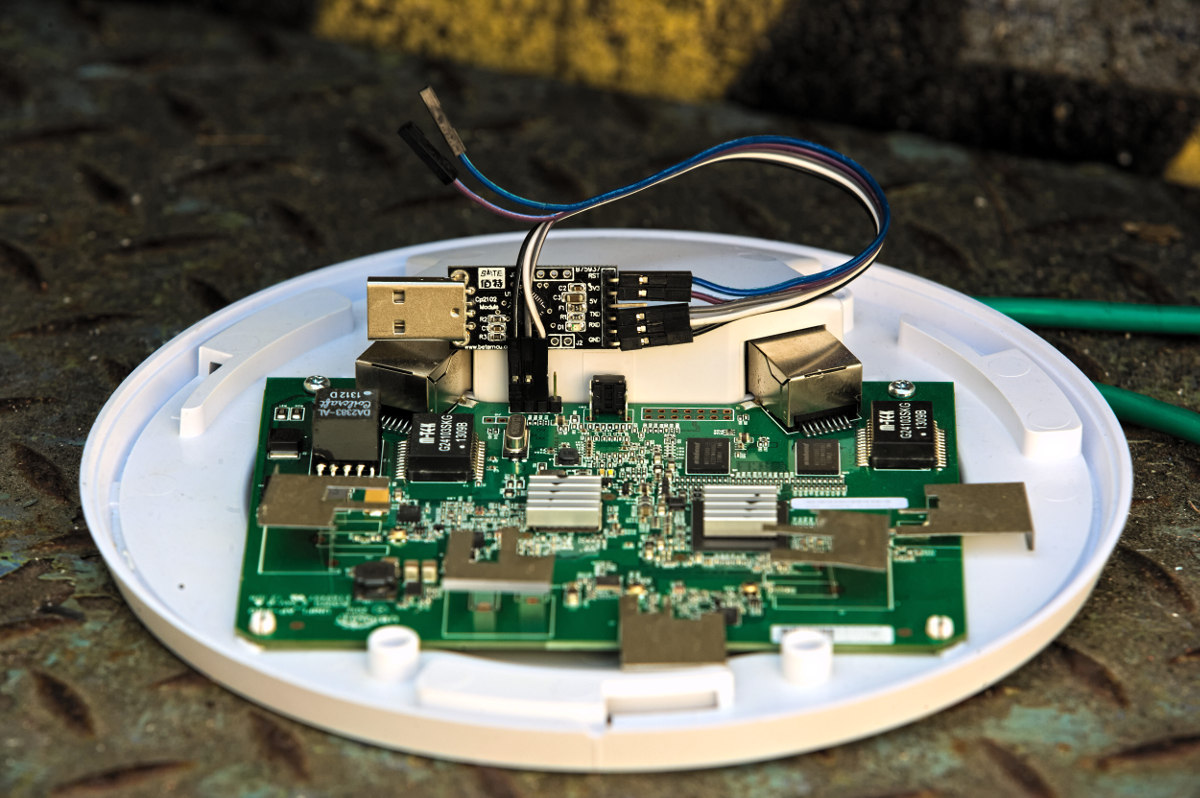
Re-deploying the Ubiquiti Unifi UAP-Pro with OpenWRT (instead of Unifi) at the new base-camp revealed a problem: it simply didn't work anymore. No DHCP reaction, no default IP, nothing. Except for the LED blinking white after a reset, it seemed completely broken. Opening the case and attaching a terminal to the serial console, revealed bootloader output that wasn't promising but at least it wasn't completely dead. So we had to get our hands dirty, pop the hood and hack around to fix this jffs2 corruption issue and revive the AP without costly and probably long/painful RMA. Maybe this knowledge can help you too.
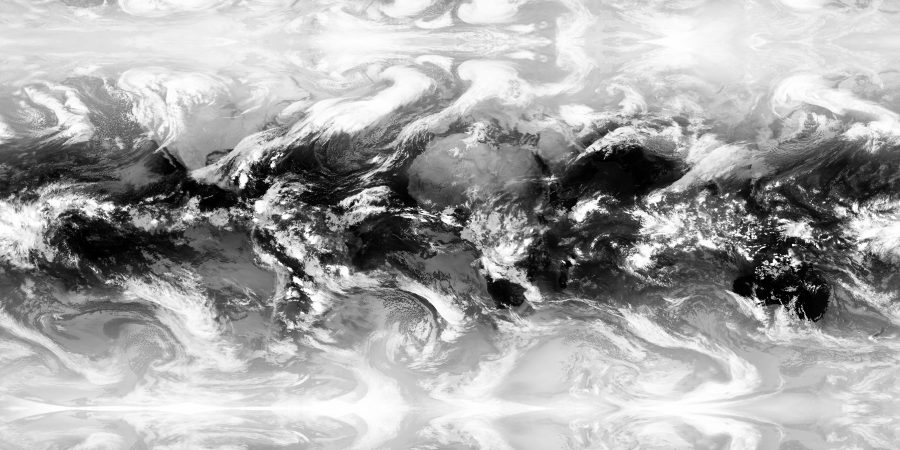
In case you're one of those people using xfce-planet or otherwise depend on our global cloudmap service (introduced here), you'll probably already have noticed that the image wasn't updated for 6 days now. The service itself is running on our side, but it seems as if MTSAT (covering 145E) doesn't send any more images since 2015-12-04. We'll try to get some more information about the outage to provide fresh, free and silky-smooth cloudmaps for everyone again. Sorry for any inconvenience, but we don't manage those birds, unfortunately…
It's always rewarding to see that distributing and sharing open knowledge & tools ultimately leads to much more individual empowerment and faster technological evolution/innovation than “protection” of “Intellectual Property” ever could:
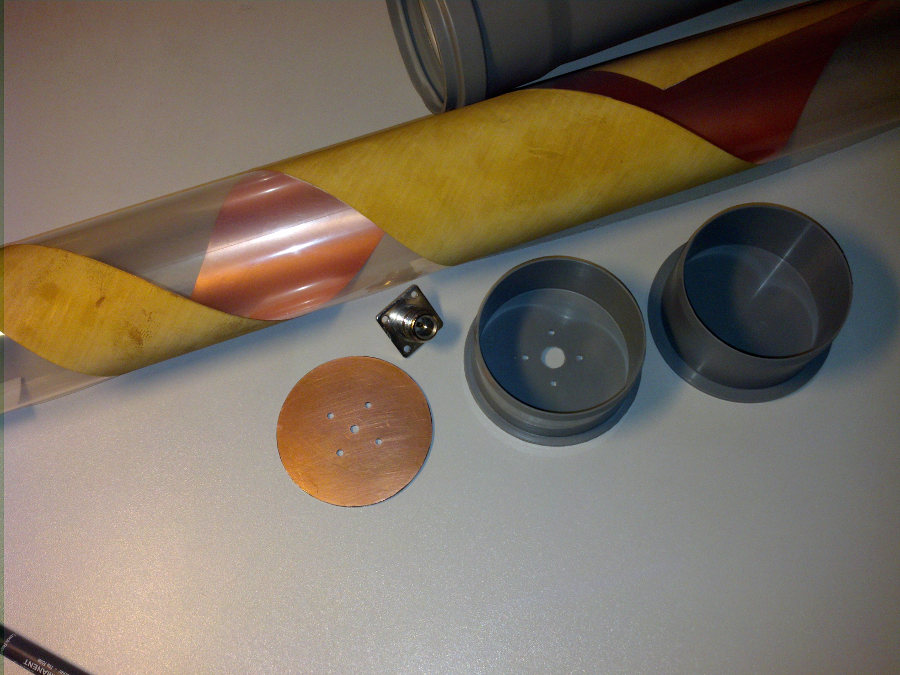
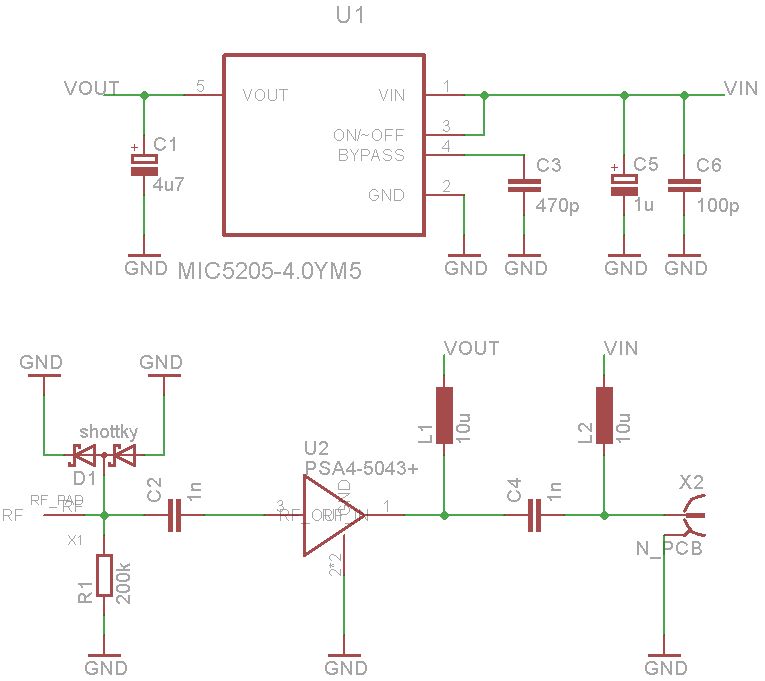
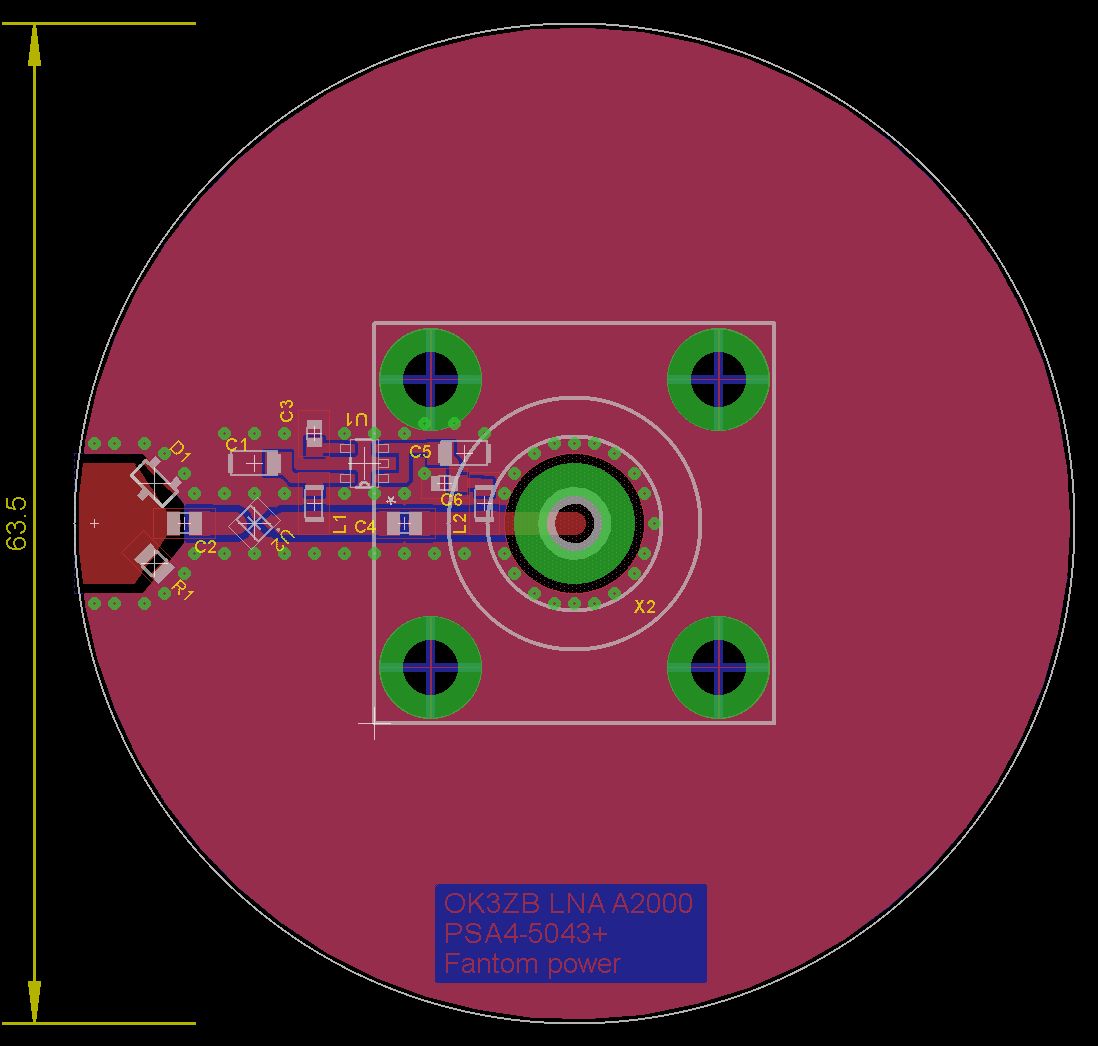
OK3ZB copied and used the AWRA-Cutting-Helper, did a successful rebuild of the Active-Wideband-Receiving-Antenna and came up with a new LNA approach:
More details and photos on: http://blog.brichacek.net/klon-sirokopasmove-aktivni-anteny-ara-2000/
Go!Go!Go!
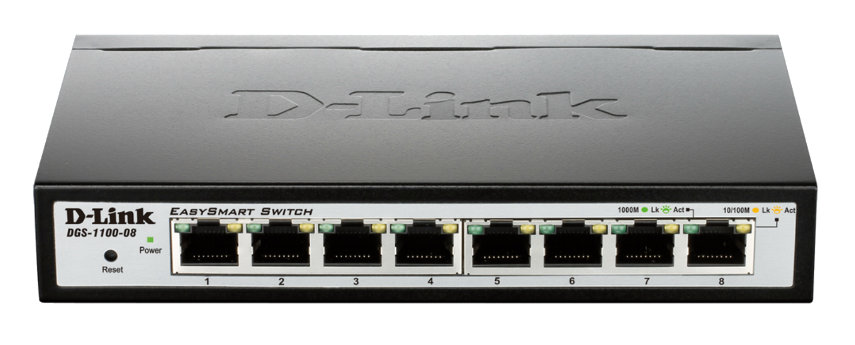
Labeling things with the term “green” has become quite popular these days. While evaluating unmanaged SOHO Gigabit-Ethernet switches for Apollo's core net-infrastructure, a lot of “green” switches turned up. After sifting through numerous datasheets D-Link's DGS-1008D seemed to be the top choice when power consumption is an issue.
The DGS-1008D employs intelligent power saving modes to actively reduce energy consumption. Unconnected ports or ports without a client in powered or standby mode are put to sleep. The switch also determines, whether the ethernet cable is longer than 20m, if it's not, the port reduces its transmit output power to save even more energy.
In a past Mission-Log, we've reviewed the power consumption of "green" Ethernet Switches (consumer-grade/unmanaged) that could be used in off-grid environments and they performed really well. Compliant with IEEE 802.3az Energy Efficient Ethernet, these switches consume less energy by cutting down on power consumption when the traffic volume is low and automatically measure the length of the connected cables to adjust power usage, when cables are shorter than 20 meters. In addition, they monitor the link status of every port and drastically reduce power consumption when a port has no link. With more technology and infrastructure, the need increased for more Ethernet features like VLANs, trunks and many other features, usually offered only by expensive, loud and very power hungry managed/enterprise switches.
Luckily this situation has changed and we could test and already deploy a new pair of managed but very low power and fanless (silent) switches: The D-Link DGS-1100 Family, which also come in a sturdy metal case and with the benefit of a (limited - due to legal issues on a per country basis) lifetime warranty.
One of the most time consuming aspects of many DIY projects is identifying and sourcing materials. Living in a globalized world and having the ability to link everything online has made this a lot easier. Today, it is by far much more convenient and budget friendly to directly shop in Asia, cutting out all of the so called “added value” (which is just a nice euphemism for making stuff artificially expensive to the end user, so that politicians can claim to “create jobs” and society can try to keep up the illusion of the necessity of full-time employment and camouflaged slavery for everyone).
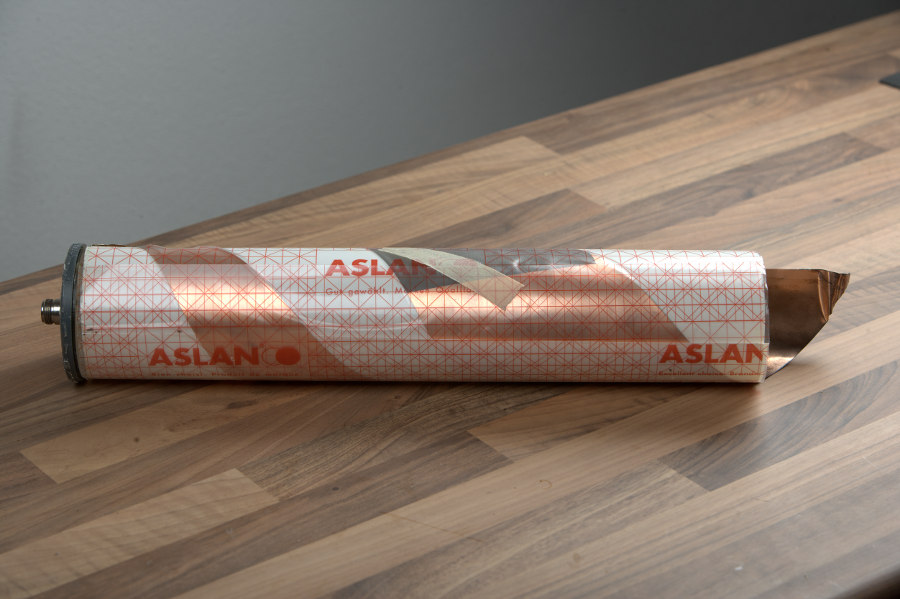
The last F3l1ks sprint included the task to evaluate carbon fiber as a printing surface, so we had to get carbon and wanted to give the german market another chance. We've found about 15 carbon product manufacturers online with focus on manufacturers and not simple re-sellers. One thing became pretty clear: If you don't have a web-shop or at least a website with information about your products, you simply don't exist anymore. These 15 sources all got the same eMail, describing our needs and specifications in detail (carbon fiber sheets in 0.3 and 0.5mm with the specific size of the printbed and temperature considerations) to get a fair quote with the option to send us test material for free.
Out of these 15, only 7 sent a reply. From these, 2 dropped directly out as being re-sellers, not offering any individual service. One just sent as link to their shop for some carbon foil, clearly not even having read our eMail. One shop replied that they have sent out testing material, but it never arrived and we never heard from them again, another was just trying to rip us off. That left only one carbon supplier on our list, but they came trough all the way:
when you are looking for carbon fiber sources in Germany, you can repeat the whole process as we did (took about 3 weeks to give slower candidates a fair chance) or go directly to:
where you get fair prices and good customer service. And of course we'd like to thank the whole team again for sending us testing sheets for free for our tests and are looking forward to working together in the future, for custom carbon CNC jobs.
Dear friends, followers, sponsors, supporters and random fellow hacker, who might have found this surfing on the waves of the net: It is with great sadness and regret that I have to announce this but the day has finally come and the “new” basecamp is no more. Over the course of the last 6 month it has been a constant struggle of tiresome scrambling to find an alternative. Thankfully and more or less last-minute, someone stepped up and offered an alternative to living under a bridge: A room in a basement of some industrial complex. Well, ghetto-kids can't be choosers.
Although, at this moment, it might look like the shittiest place I have ever had to live before, I am only grateful and will try to make the best of it, as always, with the skill and determination of a soldier, the focus and dedication of a monk and the creativity and resourcefulness only a hacker mindset can cook up. The time and resources lost for this move will make a launch this year rather unlikely, if we cannot find either one big or many small sponsor(s) for the aquarius.
Since I have no more personal belongings other than clothes and everything else is packed up and stored shipshape in containers, research focus will now ultimately shift back to survival again, so many non-survival related projects will not receive their required sprints until that situation stabilizes over time or one of the funding projects will finally lead to success.
As a consequence, a big chunk of our live metrics are going to be offline from now on, internet access will be sparse at best, so the lab/printer livestream will be offline too. Our network services like the wiki, pads, cloudmaps and the CAPCOM will continue to run.
The sight of a setting sun is always an inspiring and comforting observation to me, much more so at about 400 km above the surface of the earth at a speed of about 27.000 km/h: On the ISS. Since I caught a nice one yesterday, I wanted to share the experience with you:
If you're currently located in central europe, watch the sky, once the sun has set. We currently have a very favorable ISS orbit to terminator crossing constellation, there should be another couple of days where we can see them fly by, with a little luck even more than one time, depending on your location.
Image creation/manipulation is an essential part of UI design and, with Photoshop gone, GIMP and Inkscape came to the rescue. Almost all graphics used in the Apollo-NG realm are created with Inkscape. With many people already using Inkscape and it being a vector oriented tool creating SVGs, it was just a matter of time until the SVG standard and its implementations matured and spread. Some features, such as SMIL animation and SVG Fonts are not as widely supported. There are many SVG authoring tools, and export to SVG is supported by all major vector graphics authoring tools.
SVG 2 is currently under development, and will add new ease-of-use features to SVG, as well as more closely integrating with HTML, CSS, and the DOM, and deprecating features not supported by all browsers. The SVG Working Group is currently working in parallel on a set of modules for extending prior specifications and adding functionality to CSS, and the new SVG 2 specification will combine those modules with the rest of the SVG framework to work across the full range of devices and platforms.
Let's see about bypassing even Inkscape and learn with a simple real-world example about programming UI elements directly, as opposed to manually drawing in Inkscape and thereby giving our code the means to control the design itself, making another step towards better SDUI.